

Trigger Point Massage Tools: How They Work and How to Use Them

If you've ever pressed your thumb into a tight, tender spot on your shoulder and felt instant, oddly satisfying relief, you've already met a trigger point. That small, stubborn knot in your muscle is exactly what trigger point massage tools are designed to target and they do it more precisely, and with far less strain on your own hands, than fingers alone ever could. Whether you're a massage therapist looking to protect your thumbs during long shifts, or someone who just wants to work out the knot between their shoulder blades after a desk-bound week, this guide walks you through what these tools actually do, how to use them safely, and how to pick the right one for you.
What Are Trigger Point Massage Tools?
Trigger point massage tools are handheld devices usually made of wood, plastic, or rubber shaped to help you apply focused, controlled pressure to a specific spot in a muscle. Instead of digging in with your thumb or knuckle (which tires out quickly and can strain your joints), you use the tool's contoured tip or curve to reach the knot and press into it with consistent, sustained force.
They come in many shapes: S-curved canes, wooden knobbers with interchangeable tips, handheld balls, and rollers. What they all have in common is a simple goal: helping you (or a therapist working on you) apply pressure exactly where it's needed, for as long as it's needed, without wearing out your hands in the process.
How Do Trigger Point Massage Tools Work?
A trigger point is often described as a tight, sensitive band of muscle fiber that can feel like a small lump or knot under the skin. When you apply steady, direct pressure to that spot, the muscle gradually begins to release its tension. Many people describe the sensation as "good pain" , uncomfortable in the moment, followed by a noticeable easing.
Trigger point massage tools work by extending your reach and multiplying the leverage you can apply. A tool with a long handle lets you reach your own back or shoulder. A tool with a small, rounded tip lets you concentrate pressure on a single point rather than spreading it across a wider area, which is often what a tight knot actually needs. Because the tool does the mechanical work, your hands stay relaxed instead of cramping up trying to hold a pinch-grip for minutes at a time.
What Are Trigger Point Massage Tools Used For?
People reach for these tools for a variety of everyday reasons, including:
-
Working out tightness in the neck, shoulders, and upper back after long hours at a desk
-
Easing tension in the calves, forearms, and feet after exercise or a long day on your feet
-
Helping massage therapists and bodyworkers deliver consistent pressure during client sessions
-
Supporting general self-care and relaxation routines at home
-
Complementing stretching and mobility work before or after a workout
It's worth being clear here: these tools are designed to support comfort, relaxation, and muscle recovery routines. They aren't a substitute for medical care, and if you're dealing with persistent pain or an injury, it's always best to check in with a healthcare professional.
Applying Controlled Pressure: What Makes These Tools Different
The real value of a trigger point therapy tool is control. Your fingers get tired fast when you try to hold firm, even pressure on one spot for 30-90 seconds which is often the amount of time recommended to let a knot start to release. A well-designed tool lets you lean into the pressure using your body weight or arm strength, rather than relying on finger strength alone, so you can hold that pressure steadily without shaking or losing your grip.
This is also where tip shape matters. A rounded ball tip spreads pressure over a slightly broader area, which feels less intense and works well on bigger muscles. A pointed cone or cap tip concentrates that same pressure into a much smaller area, which is useful for pinpointing a specific tight spot, say, along the spine or in the arch of the foot that a broader tip can't quite isolate.
Myofascial Release, Reflexology, Deep Tissue, and Pressure Point Tools: What's the Difference?
These terms get used interchangeably a lot, but they describe slightly different approaches:
Myofascial release tools focus on the fascia, the connective tissue that wraps around your muscles. Instead of pinpoint pressure, myofascial work often uses broader, sweeping strokes to release tension across a wider area, like a foam roller gliding along the length of a muscle.
Reflexology massage tools are typically smaller and designed for precise pressure on the hands and feet, based on the idea that specific points on these areas correspond to other parts of the body. Reflexology tools tend to have narrower, more precise tips for working small, detailed areas.
Deep tissue massage tools are built to apply firmer, more sustained pressure into deeper muscle layers, often over larger muscle groups like the back, glutes, or thighs. They're generally sturdier and shaped to handle more forceful use.
Pressure point massage tools is really an umbrella term, it covers any tool designed to concentrate force on a specific point rather than a broad area, which includes trigger point tools, reflexology tools, and some deep tissue tools too.
In practice, a lot of tools like a multi-tip wooden set are versatile enough to move between these categories depending on which tip and technique you use.
Types of Trigger Point Massage Tools and How to Choose the Right One
Here's a quick look at common options:
Handheld knobbers or canes - Often wooden or hard plastic, shaped with a curve or ridge you press into a knot. Many come with interchangeable tips (ball, cone, cap) for different muscle groups and depths of pressure. Great for both self-use and professional settings.
Massage balls - Simple, portable, and effective for leaning your body weight into a spot against a wall or floor. Ideal for glutes, upper back, and feet.
Rollers - Best for broader myofascial work along the length of a muscle, like the calves, quads, or IT band.
Massage canes (S-shaped) - Designed to help you reach your own back and shoulders without needing a second person.
When choosing a tool, think about:
-
Where you need to work. Small, precise areas (feet, hands, between vertebrae) call for a narrower tip. Larger muscles (back, thighs) do better with a broader tip or roller.
-
Who's using it. If it's for personal self-care, a simple ball or cane is often enough. If you're a therapist working on multiple clients daily, an ergonomic set that protects your hands over long sessions is worth the investment.
-
Comfort and grip. A tool that's awkward to hold defeats the purpose you'll tense up trying to grip it, which is the opposite of what you want.
For anyone who wants one set that covers multiple techniques, a three-tip wooden set like the Original Index Knobber Pressure Tool Set from HEALTHandMED pairs a ball tip, cone tip, and cap tip in one ergonomic design, making it easy to switch between broader deep tissue work and more precise reflexology or trigger point pressure without switching tools entirely.
Step-by-Step Guide: How to Use a Trigger Point Massage Tool
-
Find the spot. Gently press around the tight or sore area with your fingers until you locate the specific point that feels most tender.
-
Choose your tip or tool. Use a broader tip for large muscles, a pointed tip for small, precise spots.
-
Position the tool. Place the tip directly on the trigger point, using a handle, wall, or your own body weight for support.
-
Apply gentle, steady pressure. Start light. You're looking for a firm but tolerable sensation, not sharp pain.
-
Hold. Maintain steady pressure for roughly 20-60 seconds, breathing normally, until you feel the tension start to ease.
-
Release slowly. Ease off gradually rather than lifting the tool away abruptly.
-
Move on. Repeat on other tight spots as needed, but avoid working the same area repeatedly in one session.
Using Trigger Point Tools Safely and Effectively
A few practical tips go a long way:
-
Start gently. You can always add more pressure; you can't undo overdoing it.
-
Avoid bony areas, joints, and the front of the neck. Stick to muscle tissue.
-
Don't work in an area that's acutely injured, swollen, or inflamed.
-
Limit sessions. A minute or two per spot is usually plenty more isn't automatically better.
-
Stay hydrated afterward, which many people find helps with post-massage comfort.
-
Listen to your body. Mild tenderness during use is common, but sharp or worsening pain means it's time to stop.
-
Check with a healthcare provider if you have a chronic condition, recent injury, or are pregnant, before starting any new self-massage routine.
The Role of Ergonomic Design
Ergonomics matters more than people expect. A tool that's shaped to fit naturally in your hand with a grip that lets you use your arm and body weight instead of just your fingers makes a real difference over a five-minute self-massage or an eight-hour clinical shift. Ergonomic handles reduce strain on your thumbs, wrists, and fingers, which is exactly why professional-grade wooden sets are shaped the way they are: to let you apply consistent pressure without your own hands paying the price.
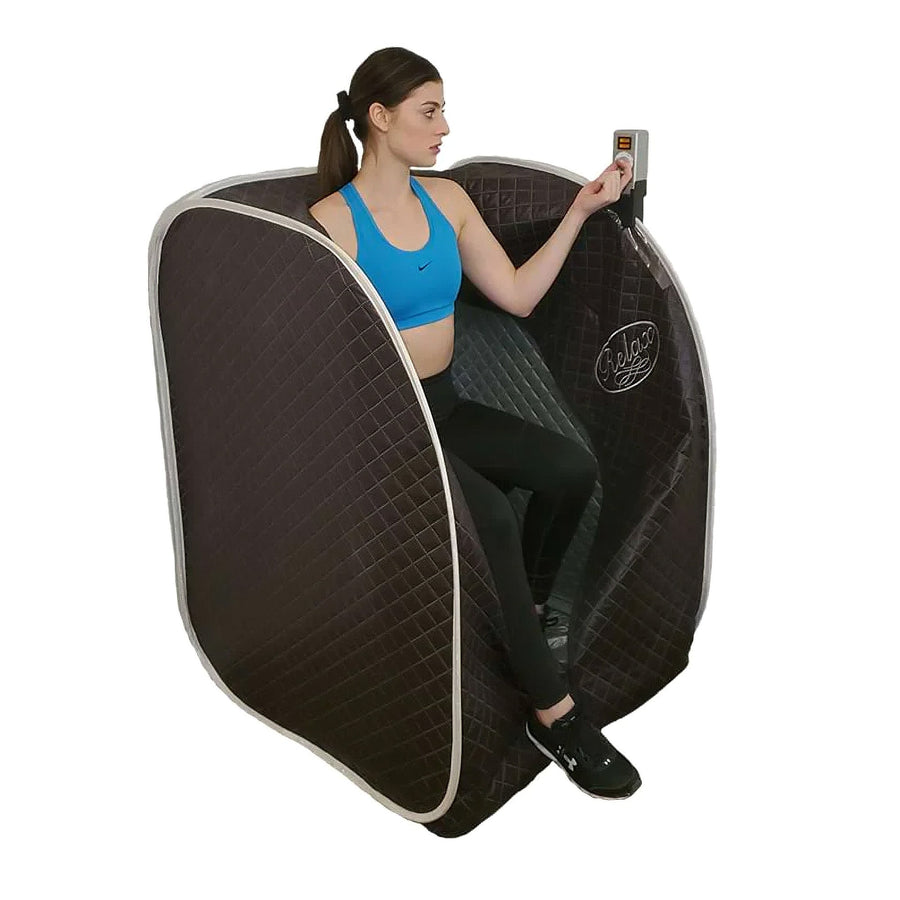
If you're building out a broader at-home recovery routine, pairing hands-on tools like these with other relaxation practices for example, unwinding in a portable infrared sauna after a workout can be a simple way to round out your self-care habits.
Final Thoughts
Trigger point massage tools are a simple, low-tech way to bring more precision and control to muscle tension relief whether you're a therapist protecting your hands through back-to-back sessions or someone just trying to loosen that knot between your shoulder blades. The right tool, used gently and consistently, can make self-massage far more effective than fingers alone.
If you're ready to add a versatile, ergonomically designed option to your routine, take a look at the HEALTHandMED collection of massage tools and find the set that fits how and where you need relief most.
Frequently Asked Questions
What are trigger point massage tools?
They're handheld devices designed to help you apply focused, controlled pressure to specific tight spots (trigger points) in a muscle, without relying solely on your fingers or thumbs.
How do trigger point massage tools work?
They extend your reach and let you apply steady, sustained pressure to a knot using leverage from the tool's shape and handle, rather than finger strength alone, which helps the muscle gradually ease tension.
What are trigger point massage tools used for?
They're commonly used to relieve muscle tightness in the neck, shoulders, back, calves, and feet, to support recovery after exercise, and to help therapists deliver consistent pressure during treatments.
How do you use a trigger point massage tool?
Locate the tender spot, position the tool's tip directly on it, apply gentle and gradually increasing pressure, hold for around 20-60 seconds, then slowly release.
What is the difference between trigger point therapy and myofascial release?
Trigger point therapy targets specific, localized knots with focused pressure, while myofascial release works more broadly on the fascia (connective tissue) using sweeping or gliding pressure over a wider area.
Can trigger point massage tools be used at home?
Yes. Many people use tools like knobbers, massage balls, and canes at home as part of a regular self-care or recovery routine, as long as they're used gently and sensibly.
How do I choose the right trigger point massage tool?
Consider the areas you want to target (small, precise spots need narrower tips; larger muscles suit broader tips or rollers), how often you'll use it, and whether the grip is comfortable for extended use.
Are trigger point massage tools safe to use?
Generally, yes, when used with light-to-moderate pressure and common sense avoiding bony areas, injured tissue, and sessions that cause sharp pain. If you have a medical condition or ongoing pain, check with a healthcare provider first.


