

Wellness Technology Trends That Are Changing Home Health in 2026

Home wellness tech has come a long way from step counters clipped to your belt. In 2026, tools that used to require a clinic appointment or a spa visit are showing up in living rooms and spare bedrooms instead, and that shift is changing what a personal wellness routine can actually look like on a random Tuesday, not just when you've booked time off for self-care.
Full-Body Light Therapy, No Clinic Required
Full spectrum light therapy used to mean driving across town to a specialty clinic and working around their schedule. Now it's accessible through regular sessions or appointments closer to home, offering a fairly low-effort way to work skin, recovery, and relaxation support into a routine without treating it like a rare, once-a-year event.
Ionic Foot Detox, Minus the Spa Trip
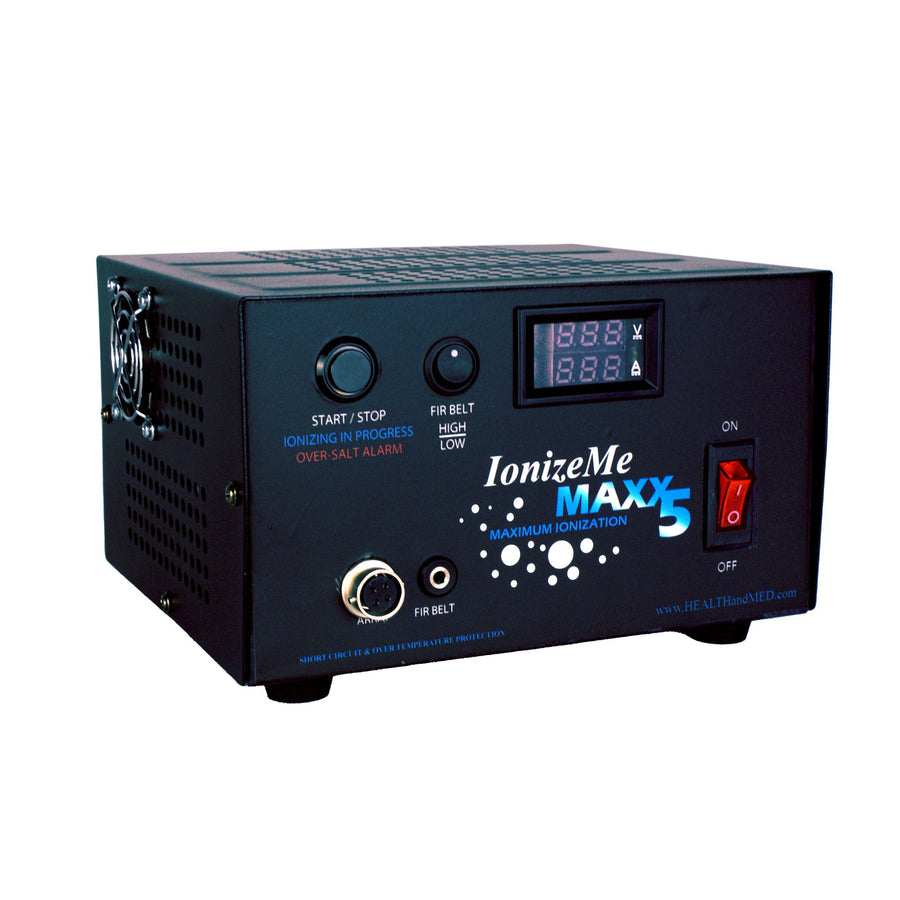
Foot detox tech keeps showing up in more home self-care routines than it used to. An ionic foot detox machine makes it easy to build a relaxing weekly ritual without booking anything, driving anywhere, or working around someone else's calendar. We've actually broken down some of the common myths around these machines if you're deciding whether one's worth it.
Recovery Tools That Actually Fit in a Bedroom
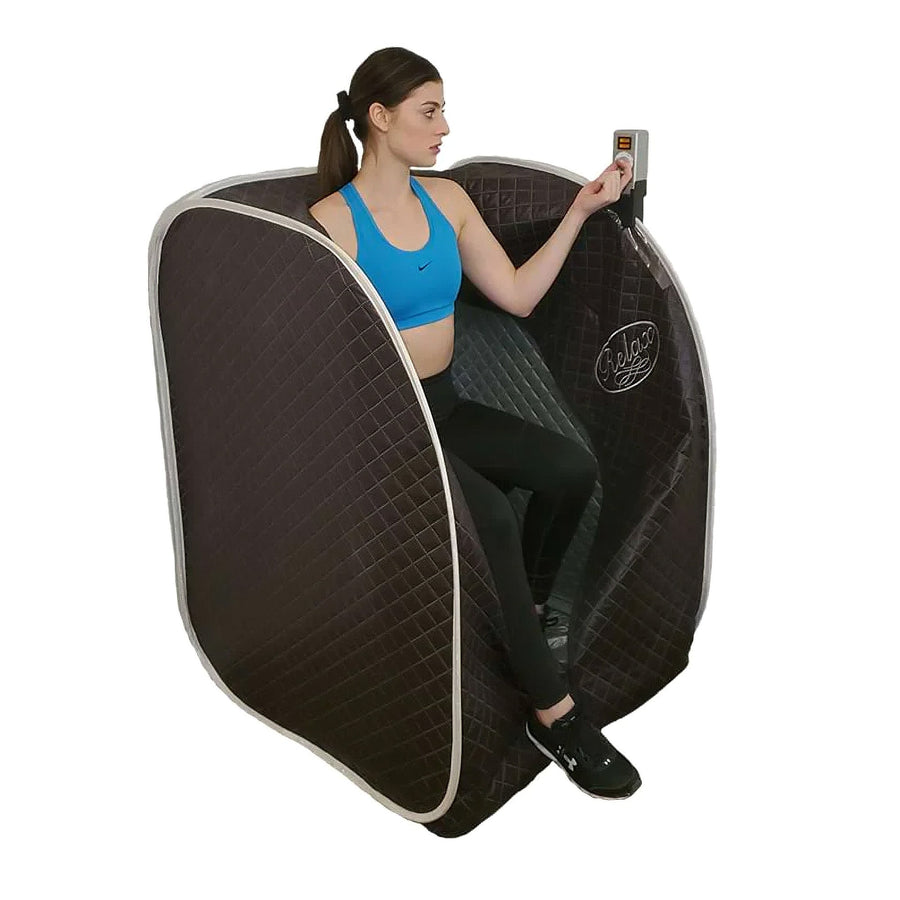
Equipment that used to demand a dedicated room, or at least a serious chunk of garage space, now just needs an outlet and some floor space. A portable far infrared sauna is a good example of this shift, what once meant construction and permits now sets up in minutes and folds away when you're done.
Vibration Equipment Gets Smaller, More Common
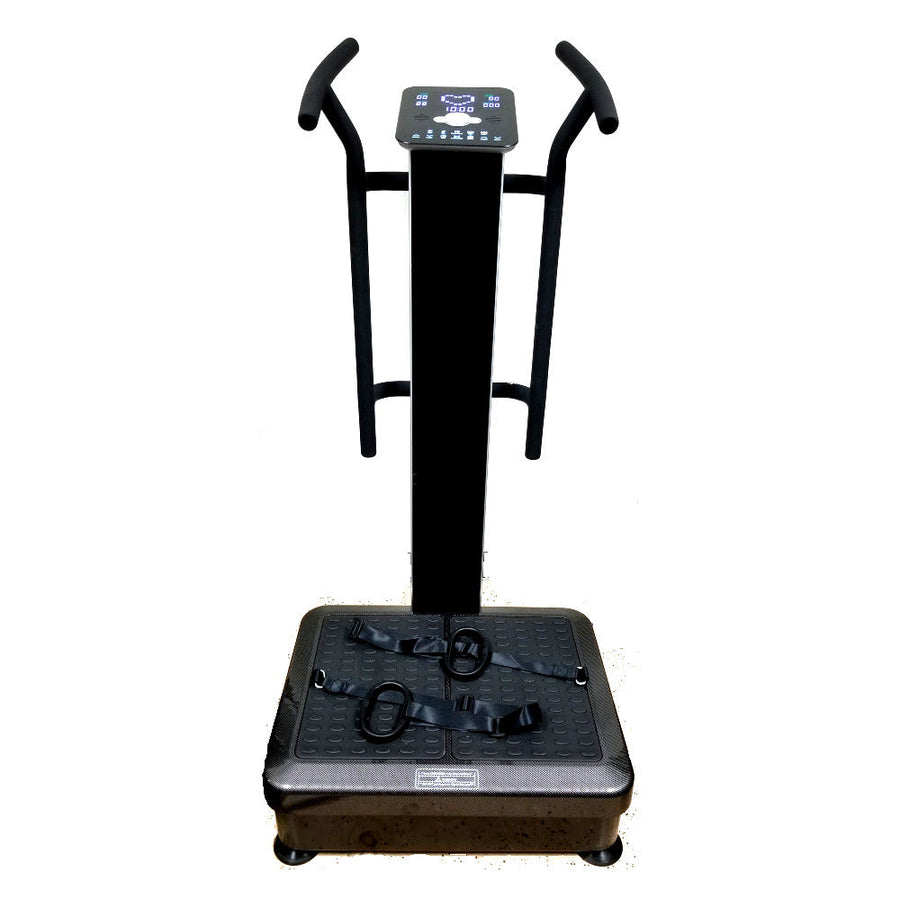
Vibration training gear keeps shrinking in size while its use keeps growing across pretty different groups of people, not just athletes anymore. It's become a low-impact way to add muscle engagement at home; no full gym membership or dedicated equipment room is required.
Supplements That Skip the Water and the Wait
Delivery formats are shifting too, not just the equipment side of wellness. Dissolvable plant DNA lozenges are part of a broader move toward convenience-focused products, no measuring, no mixing, no glass of water needed to get through your morning routine.
The Common Thread
Accessibility. That's really what ties all of this together, more than any specific device or product category. Stuff that used to require an appointment, a drive, or a dedicated room is increasingly built for regular home use instead. It's not replacing professional care outright, a clinic visit still offers things a home device can't fully match, but it does make sticking with everyday wellness habits a lot more realistic for people who don't have time for constant appointments squeezed between work and everything else.
Before You Buy Anything
A few things worth thinking through before adding new tech to your routine:
-
Start with the actual problem you're solving: recovery, relaxation, and general wellness call for genuinely different tools, not the same one marketed five different ways
-
Pick fewer things and use them more: one tool used regularly beats five tools gathering dust in a closet after the first month
-
Look into how something actually works before assuming newer automatically means better, since marketing language often outpaces the actual technology behind it
Conclusion
The theme running through home wellness tech in 2026 is accessibility — clinic-grade tools built for regular, everyday use at home instead of occasional, scheduled appointments. Light therapy, recovery gear, newer supplement formats, it all points the same direction: making consistent wellness habits realistic instead of rare. As always, the right piece of tech is the one that matches what you actually need and that you'll keep using months from now, not just whatever's newest on the shelf right now.
FAQs
What home wellness technology is trending in 2026?
Full-body light therapy, portable infrared saunas, whole body vibration equipment, and ionic foot detox systems are among the technologies gaining the most traction.
Is home wellness technology replacing professional treatments?
Not entirely. It makes everyday habits easier to keep up, but professional treatments still offer things home devices generally can't fully replicate.
What should I consider before buying wellness technology?
Figure out your actual goal first, favor tools you'll realistically use often, and look into how something works rather than buying based on novelty alone.
Are portable wellness devices as effective as clinic equipment?
Generally designed to bring similar benefits home, though results vary by product and, more than anything, by how consistently you actually use it.


