


Signs Your Body May Need More Recovery Time After Exercise

There's a certain pride people take in pushing through soreness, showing up anyway, grinding it out, and treating rest days like something to feel guilty about. But your body usually flags problems way before overtraining actually becomes one. You just have to know what to look for, and most people don't, because nobody really teaches this stuff. Everyone talks about how to train harder. Almost nobody talks about how to tell when you've trained too hard for too long without a break.
Muscle Soreness That Won't Quit
A day or two of soreness after leg day is nothing unusual, that's just your muscles adapting to new stress. But if it's still hanging around on day four, or somehow feels worse than when it started, your muscles probably haven't caught up on repair yet. This is different from the usual DOMS (delayed onset muscle soreness) that fades on its own. When soreness starts stacking on top of soreness from the session before, that's your body telling you the repair work isn't finishing before the next round of damage starts.
You're Working Just as Hard, But Getting Weaker Results
This one trips people up because it feels counterintuitive. Weights feel heavier than they should. Your usual run pace suddenly takes more out of you than it used to. Reps that felt easy last month now feel like a grind. If effort is staying the same but output keeps dropping, that's often recovery debt catching up with you, not a lack of discipline or a bad day. A lot of people respond to this by pushing even harder, which usually makes things worse instead of better.
Can't Sleep Even Though You're Wiped Out
Sounds contradictory, but overtraining can mess with sleep instead of helping it. Elevated stress hormones from too little downtime tend to leave people feeling tired and wired at the same time, exhausted, but somehow unable to switch off once they're actually in bed. If you're training hard and still lying awake staring at the ceiling, recovery is usually the missing piece, not more caffeine or a better mattress.
Getting Sick More Than Usual
Training hard without giving your body a break can chip away at immune function over time. This is a commonly reported effect of sustained overtraining, though individual susceptibility varies. If you're catching every cold that comes through the office or picking up something new every few weeks, it might be worth looking at your recovery schedule instead of just your training log or your diet.
Irritability and Low Motivation
Not wanting to train, snapping at small things, general mental fog, these get written off as "just a rough week" a lot more than they should be. Physical and mental recovery aren't really separate systems; they're more tangled together than most people assume. When your body's under chronic stress from training, that stress doesn't stay contained to your muscles. It shows up in your mood, your patience, and your motivation to do things you normally enjoy.
What Actually Helps
Knowing the signs is step one. What actually helps varies by person, but a few low-effort approaches come up often:
-
Active recovery days instead of total rest, some people find light movement keeps blood flowing without adding real training stress
-
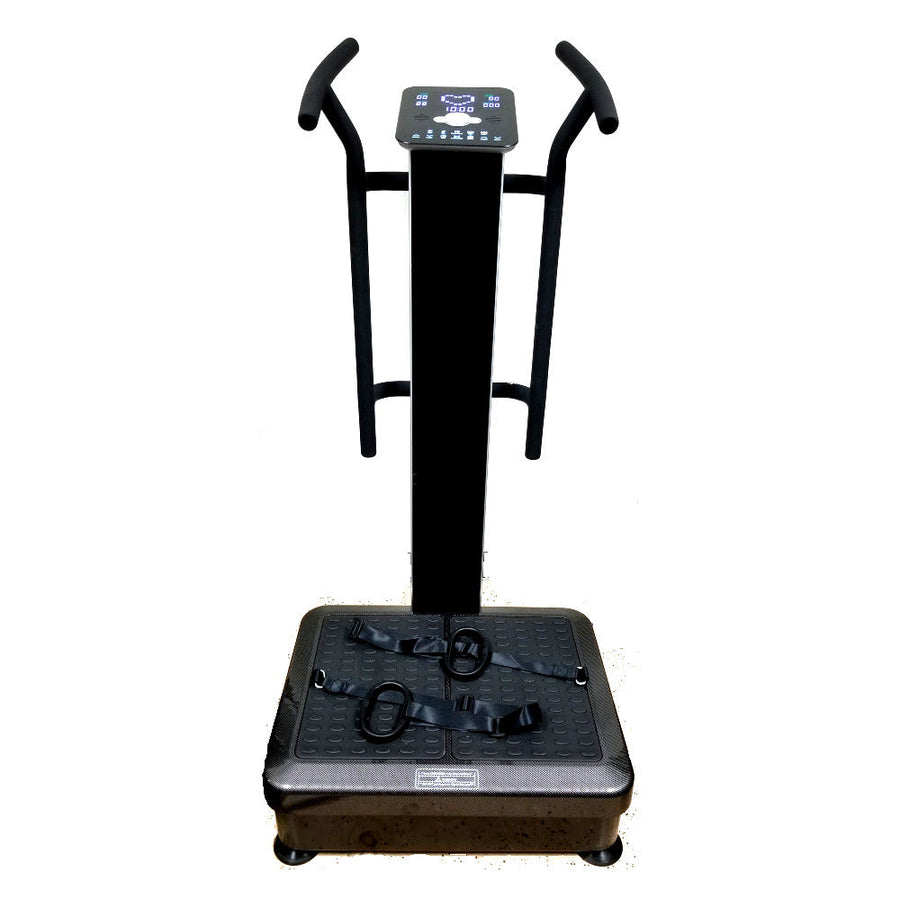
A short session on a whole body vibration machine gives muscles gentle activation without the strain of an actual workout, useful on days your body needs movement but not more training load
-
Some people wind down in an infrared portable sauna after a demanding week, using heat as part of a broader relaxation routine
-
Actually protecting your sleep, since most physical repair happens while you're out cold, not while you're awake and pushing through another session
None of these need to be complicated or expensive to be effective. The bigger obstacle is usually just deciding that recovery is worth prioritizing in the first place, rather than something to squeeze in if there's time left over.
Conclusion
Recovery gets treated like an afterthought, but it's really what makes consistent training possible at all. Lingering soreness, dropping performance, bad sleep, getting sick often, and mood swings – these aren't random annoyances. They're your body telling you something specific. Building recovery into your week on purpose, instead of hoping it sorts itself out eventually, is usually what separates people who make steady progress from people who burn out and start over every few months.
FAQs
How long should muscle soreness last after a workout?
Usually somewhere between 24 and 72 hours. Past that point, or if it's getting worse instead of easing off, your body probably needs more time before the next hard session.
Can poor recovery affect sleep quality?
It can, yes. Not getting enough recovery time tends to raise stress hormones that interfere with sleep, even when you feel completely drained by the end of the day.
What are some low-impact ways to support recovery?
Light movement, heat therapy, and tools like vibration machines are common choices; some people use them to ease tension and stay active without adding to their overall training load.
How many rest days should I take per week?
Depends on how hard you're training, but most people do better with at least one or two lighter or fully restful days worked into the week rather than none at all.


