



Morning vs. Evening Wellness Routines: Which One Is Better for You?

Everyone talks about what should be in a wellness routine – supplements, movement, stretching, whatever's trending that month. Almost nobody talks about when any of it should actually happen. But timing changes more than people expect, both in how effective a routine feels day to day and in whether you'll actually keep doing it past the first two weeks of motivation.
Why Mornings Work for Some People
There's something about a clean slate before the day gets noisy. No emails yet, no group chats blowing up, nobody needing anything from you. A lot of people find morning habits easier to stick with simply because nothing's competing for their attention yet, it's just them and whatever they've decided to do before the world wakes up.
Typical morning picks include the following:
-
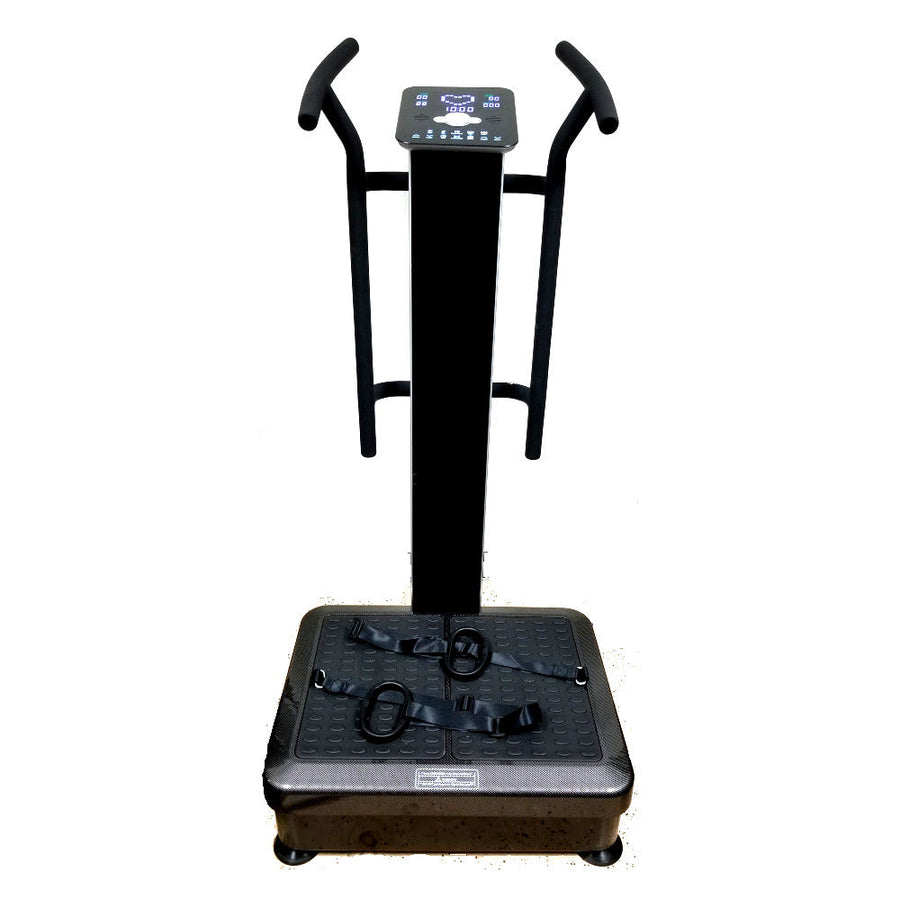
A short session on a whole body vibration device before the day starts
-
Water first, coffee second, breakfast that isn't an afterthought grabbed on the way out the door
-
A few quiet minutes before the phone comes out and the scrolling starts
If you're naturally sharper earlier in the day, mornings tend to work better for building habits, the routine sets the tone for everything after it, instead of getting squeezed in as a leftover once you're already running on fumes.
Why Evenings Work for Others
Evenings offer something mornings usually don't: an actual chance to exhale. For anyone whose mornings are chaos, kids, early meetings, and a commute that eats the first hour of the day, evenings tend to be the more realistic slot, whether they'd prefer mornings or not.
Common evening habits:
-
Time in a portable infrared sauna to loosen up whatever the day left tight in your shoulders and legs
-
Booking light therapy appointments later in the day, since red light doesn't interfere with your body's natural wind-down the way harsh screen or overhead lighting does
-
Journaling, light stretching, or just sitting still for a bit before bed instead of scrolling until you fall asleep mid-swipe
Does the Timing Actually Matter That Much?
Less than people think, honestly. Whatever habit-formation research keeps circling back to the same basic point: the routine you actually do beats the "correct" routine you keep skipping. Force a 6 a.m. routine into a household that doesn't cooperate with 6 a.m., and it's not going to survive past a few rough mornings no matter how good it looks written down in a planner.
Splitting the Difference
Plenty of people just do both instead of picking a side. Light movement in the morning, recovery-focused stuff at night. This spreads the effort out across the day instead of cramming everything into one window, which honestly makes the whole thing easier to sustain long-term, especially on days when one half of the routine gets skipped for something unavoidable.
What This Looks Like in Practice
Say your mornings are already tight, getting kids ready, commuting, and starting work by 8. Trying to add a 20-minute wellness block there is probably setting yourself up to fail. Evening slots, even a short one before bed, tend to survive longer simply because there's more flexibility in when exactly they happen. On the flip side, if your evenings are unpredictable, with social plans, family obligations, and working late some nights, mornings might be the more reliable anchor, even if they require getting up a little earlier.
Conclusion
Neither slot wins outright. Mornings tend to build momentum and focus for the day ahead; evenings tend to support winding down and recovering from it. The routine that actually fits your schedule is going to beat the "ideal" one you can't realistically follow week after week, and that matters a lot more than whatever time happens to be on the clock when you're doing it.
FAQs
Is a morning or evening wellness routine better for energy?
Neither is inherently better, it depends on when you're naturally sharper. Some people focus better with a morning routine setting the tone early; others get more out of an evening routine because mornings are already too rushed to add anything. Consistency matters more than which slot you pick.
What wellness habits work best in the evening?
Heat therapy, light therapy, and relaxation-focused habits tend to fit evenings well since they support winding down instead of ramping up right before bed.
Can I combine morning and evening wellness routines?
Sure, a lot of people split it, doing light activity earlier in the day and recovery habits like sauna or light therapy sessions later on.
Does the timing of a wellness routine really matter?
Less than consistency does. A routine that fits your actual schedule and gets done regularly beats a perfectly timed one that gets skipped half the time.


