

How to Use a Vibration Machine: Beginner Workout

If you just got a vibration plate or you're still deciding whether it's worth the money, the tricky part usually isn't the workout itself. It's figuring out where to stand, how long to hold each position, and whether you're even doing it right. Here's a rundown to get you through those first few sessions without the guesswork.
What a Vibration Machine Actually Does
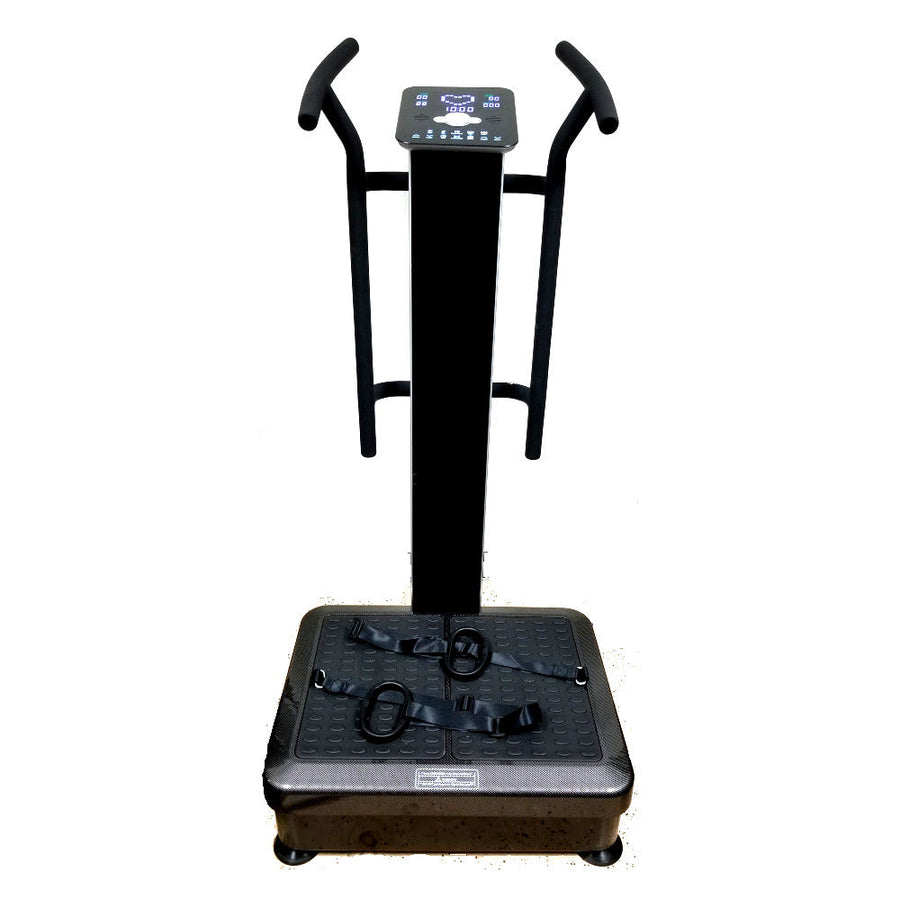
A whole body vibration machine sends rapid, low-amplitude vibrations through a platform and straight into your muscles while you stand, sit, or move on it. Your muscles react by contracting and releasing over and over, much faster than they would during a normal workout. That's why even a simple, static pose on the plate can feel more demanding than it looks.
The draw for beginners is that you don't need much equipment or space. A few minutes on the platform, done regularly, slots into almost any schedule. If you're still comparing machines, it's worth browsing a whole body vibration fitness machine collection first amplitude, frequency range, and platform size differ more than you'd expect, and all of it changes how a session feels.
Getting Set Up for Your First Session
A little prep before you turn the machine on makes a real difference.
Wear flat, supportive shoes, or go barefoot if the platform has texture, either way, you want solid footing once it starts moving.
Start on the lowest intensity setting. Even people who consider themselves fit are often caught off guard by how much a low setting works the legs and core.
Keep your knees soft, not locked. Locked joints send more of the vibration up through your body than it's ready to handle.
Set a timer. Sixty seconds on a running plate feels longer than you'd think.
A Simple Beginner Routine
You don't need anything elaborate to get started. This basic sequence works well for the first couple of weeks:
Static Squat Hold
Stand with feet shoulder-width apart, knees slightly bent, like you're about to sit into a chair. It's one of the most common starting positions and a good way to see how your legs handle the vibration.
Standing Calf Raises
Rise onto your toes slowly, then lower back down. The vibration adds a stability challenge that works your lower legs harder than calf raises on solid ground.
Seated Position
If your machine allows it, sit on the edge of the platform with feet flat. This shifts some of the load to your core and lower back.
Push-Up Position, Hands on Platform
If the platform's stable enough, place your hands on it with feet on the floor. It engages your upper body and core in a way leg-focused positions don't.
Cool-Down Standing
Finish with a relaxed stand at the lowest setting to let your muscles settle before stepping off.
Run through this sequence two or three times, resting briefly in between. For beginners, 10–15 minutes total is plenty, more isn't automatically better, especially early on.
How Often Should Beginners Use It?
Three sessions a week is a solid starting point for most people. It gives your muscles time to adjust to the extra demand without pushing too hard too soon. Once your body's used to it, you can bump up the frequency or extend session length.
Common Beginner Mistakes
Jumping straight to high intensity. It's tempting once you're comfortable, but easing into it lowers your odds of unnecessary soreness.
Standing with locked knees. The most common form mistake, and also the easiest to fix, just keep a slight bend the whole time.
Skipping the warm-up. A minute or two of light movement beforehand helps your muscles respond better once the vibration starts.
Treating it as a total workout replacement. Vibration training works best as an add-on to a broader routine, especially one that includes some cardio, rather than swapping out everything else.
When You'll Start Noticing a Difference
Most beginners feel more muscle engagement within their first couple of sessions, since the vibration recruits fibers that don't usually kick in during regular standing or walking. Bigger changes, strength, circulation, muscle tone, tend to show up more gradually over several weeks of sticking with it, similar to most other training.
Pairing It With Recovery
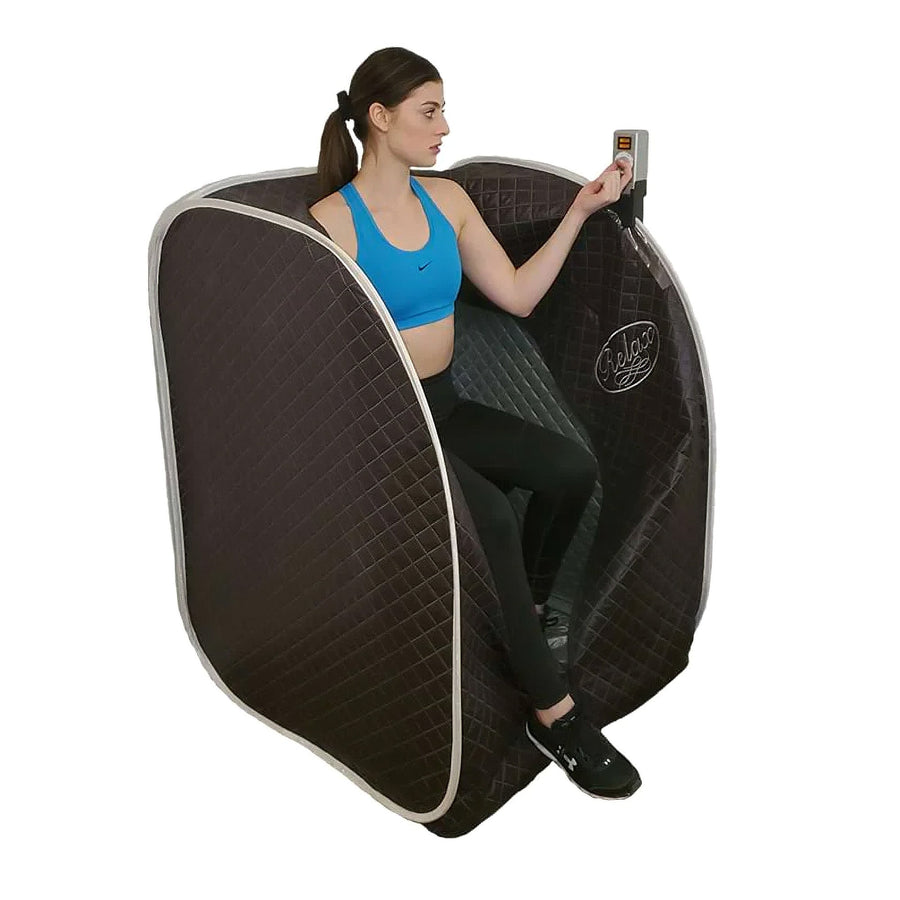
Some people like to follow a vibration session with other recovery habits, stretching, or a few minutes in a portable infrared sauna, to help the body wind down. Neither is necessary for the vibration training to work, but pairing a short muscle-activation session with something relaxing afterward is a routine a lot of beginners find easy to stick with.
Conclusion
Getting started with a vibration machine doesn't need to be complicated. Keep the intensity low, hold a few basic positions, and give your body room to adjust over two or three sessions a week. As you get more comfortable, you can stretch out session length or try more advanced positions. What matters most in those early weeks is showing up consistently, not pushing hard, that's what builds a foundation you can safely add to later.
FAQs
How long should a beginner use a vibration machine?
Aim for 10–15 minutes per session, two to three times a week to start. That's enough time for your muscles to adapt without getting overwhelmed. You can stretch the duration and frequency out as your body catches up.
Should knees be locked or bent on a vibration plate?
Keep a slight bend in your knees at all times, never lock them out while the platform's running. Locked knees send more vibration up into the joints than they're built to absorb. A soft bend lets the muscles take on that load instead.
What intensity setting should beginners start with?
Start at the lowest setting your machine has, even if you're already in decent shape. Most people are surprised by how much a low setting works the legs and core. From there, you can raise the intensity gradually over the following weeks.
Can vibration machines replace regular exercise?
Not really, they work best as an addition to a wider fitness routine rather than a stand-in for it. They pair especially well with cardio and strength work. Relying on them alone leaves out a lot of what a varied routine gives you.


