

Vibration Plate vs. Treadmill: Which Burns More?

Choosing between a vibration plate and a treadmill for your home setup? The honest answer is "it depends" calories burned, joint impact, time spent, and whether you'll actually use the thing every day all factor into which one makes more sense for you. Here's how they actually stack up.
How Each Machine Works
A treadmill is a cardio tool, plain and simple. Walking or running on it raises your heart rate and burns calories in a way that scales fairly predictably with speed, incline, and how long you go.
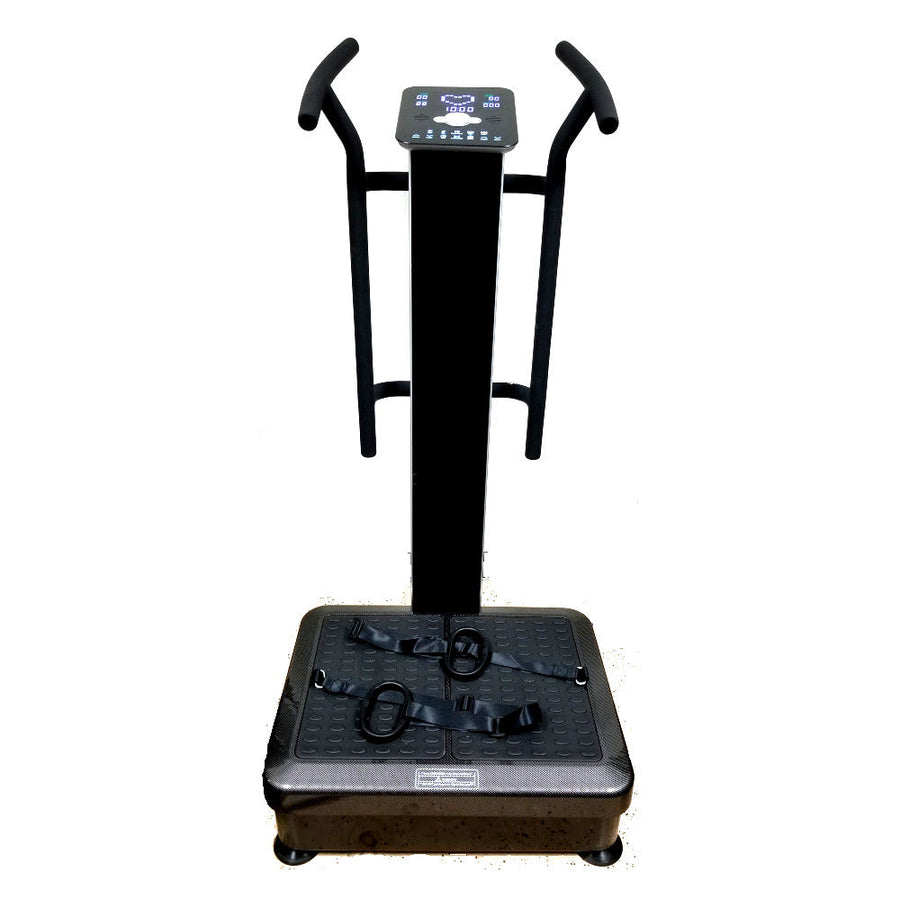
A vibration plate works on a different principle entirely. Instead of you generating the movement, the platform vibrates rapidly underneath you, and your muscles react by contracting and releasing many times a second while you hold positions or do light movements on it. It's less about sustained cardio and more about quick, repeated muscle engagement packed into a short window. If you're weighing specific models, take a look at a whole body vibration machine collection to see the range of intensity settings and platform styles out there.
Calorie Burn: What the Comparison Actually Looks Like
For raw calorie burn over time, a treadmill session at a solid pace generally wins out over a vibration plate. Running or brisk walking for half an hour keeps large muscle groups working continuously and raises your heart rate in a way that's easy to track and well understood.
Vibration sessions tend to run shorter, usually 10 to 20 minutes, and how many calories you burn per minute swings a lot depending on what you're actually doing on the platform (static holds burn far less than active moves like squats or lunges). Shorter, lower-impact sessions add up to fewer total calories than a treadmill workout of similar length.
Where Vibration Plates Have an Edge
Calorie burn isn't the whole story here.
Joint impact. Treadmill running especially puts repeated stress on knees, ankles, and hips. A vibration plate is low-impact, which makes it easier on people dealing with joint sensitivity or coming back from certain injuries.
Time efficiency. A 15-minute session can hit muscle groups that would otherwise take a lot longer to fully engage through regular exercise, a real plus if you're short on time.
Space and noise. Vibration plates take up less room and run quieter than treadmills, which matters in a small apartment or shared living space.
Variety. One platform, a lot of different moves, squats, calf raises, seated work, upper-body holds. A treadmill really only does one thing.
Where Treadmills Have an Edge
Cardiovascular conditioning. If building heart and lung endurance is the goal, a treadmill trains that system directly in a way a vibration plate simply doesn't.
Easier to track. Speed, incline, and time make treadmill workouts simple to measure and gradually ramp up.
Better for distance and endurance. Training for a run, or just building stamina in general, nothing substitutes for actual walking or running practice.
Can You Use Both?
A lot of people don't have to pick just one. A common setup is treadmill work several times a week for cardio, with shorter vibration sessions added on off days — or even right after a treadmill workout, to hit muscles differently without adding much time. The two tools do different jobs, so combining them usually beats leaning on either one alone.
Which One Should You Choose?
If calorie burn and cardio fitness are the priority, a treadmill is the stronger single pick. If you want something low-impact and time-efficient that adds muscle engagement without hammering your joints, especially if space is tight, a vibration plate is worth serious thought. For a lot of people, whichever machine they'll actually use consistently ends up mattering more than the numbers, since consistency is really what drives results either way.
Curious about the basics before buying? Check out our guide on how to use a vibration machine as a beginner for a simple starter routine.
Recovering Well, Regardless of Which You Choose
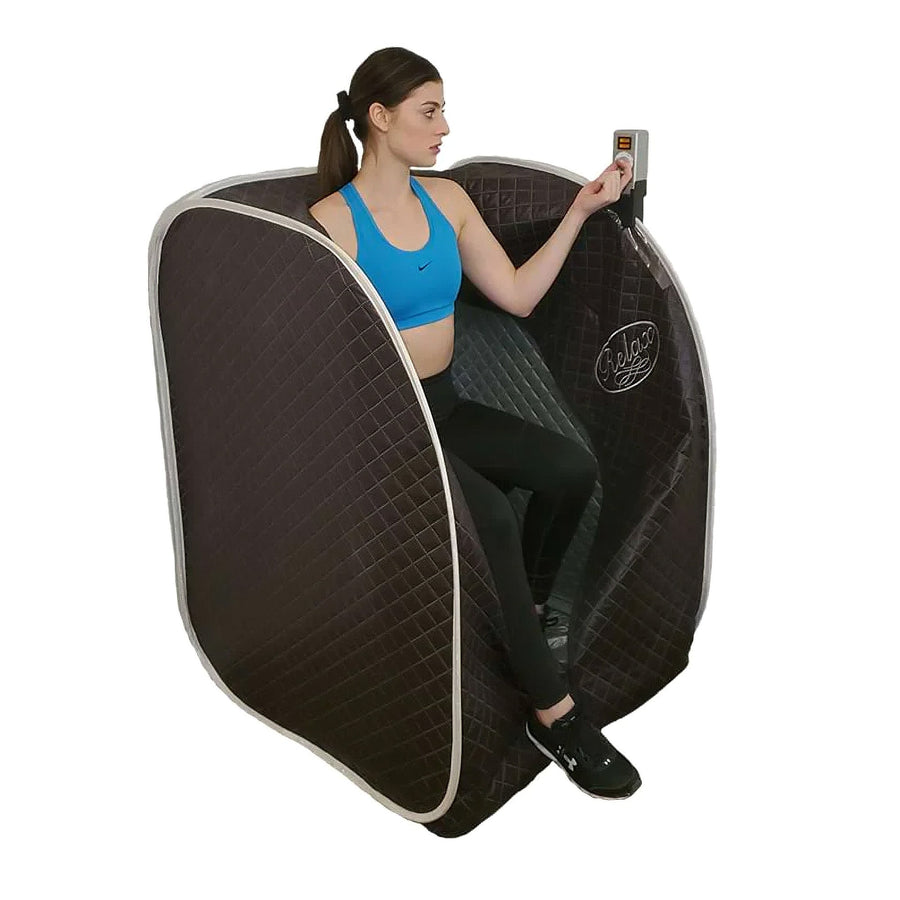
Whatever you end up going with, how you recover matters just as much as the workout. A lot of people wind down after a treadmill or vibration session for a few minutes in a portable infrared sauna to help their muscles relax before the next round.
Conclusion
Neither machine wins outright, they're built for different goals. Treadmills generally burn more calories and build cardio endurance, while vibration plates offer a low-impact, time-efficient way to work muscles without much joint strain. If you've got the room and budget for both, combining them tends to beat relying on just one. In the end, it comes down to your goals, any physical limitations, and which machine you'll actually keep using.
FAQs
Does a treadmill burn more calories than a vibration plate?
Generally, yes a treadmill session at a solid pace burns more over time than a vibration plate does. That's because treadmill workouts keep large muscle groups working continuously over a longer stretch. Vibration sessions are shorter, so total calories burned per session end up lower.
Is a vibration plate lower impact than a treadmill?
Yes. Vibration plates are considered low-impact, unlike treadmill running, which repeatedly stresses the knees, ankles, and hips. That makes them a more comfortable pick if you're dealing with joint sensitivity. They're also a gentler option while recovering from certain injuries.
Can I use a vibration plate and treadmill together?
Definitely, plenty of people use the treadmill for cardio and add shorter vibration sessions on other days. It works the muscles differently without eating up much extra time. Combining the two usually gets better results than sticking with just one.
Which is better for joint pain, a treadmill or vibration plate?
A vibration plate is generally easier on the joints since it's low-impact, unlike the repeated pounding of treadmill running. It still lets you engage muscles without the joint stress that comes with running. That said, everyone's situation is different, so it's worth checking with a healthcare provider first.


