


10 Everyday Habits That Can Support Better Blood Circulation Naturally

Circulation doesn't get much attention until something's off, like cold feet in the middle of summer, legs that feel heavy by the afternoon, and that sluggish feeling that coffee doesn't quite fix. The good news is the fix usually isn't dramatic. It's rarely one big change. It's a handful of small habits, repeated often enough over weeks and months to actually matter.
1. Get Up and Move, Often
Sitting for hours slows blood flow, especially through the legs, where gravity is already working against you. Standing and stretching even briefly, once an hour, keeps things moving better than one long workout ever could on its own if the other 23 hours of your day are spent motionless.
2. Actually Stay Hydrated
Blood is mostly water. Run low on it and blood gets thicker, harder for your heart to push through smaller vessels efficiently. Sipping steadily through the day beats chugging a bottle once in the morning and forgetting about it until you're dehydrated and wondering why you feel foggy by 3 p.m.
3. Try Whole Body Vibration Training
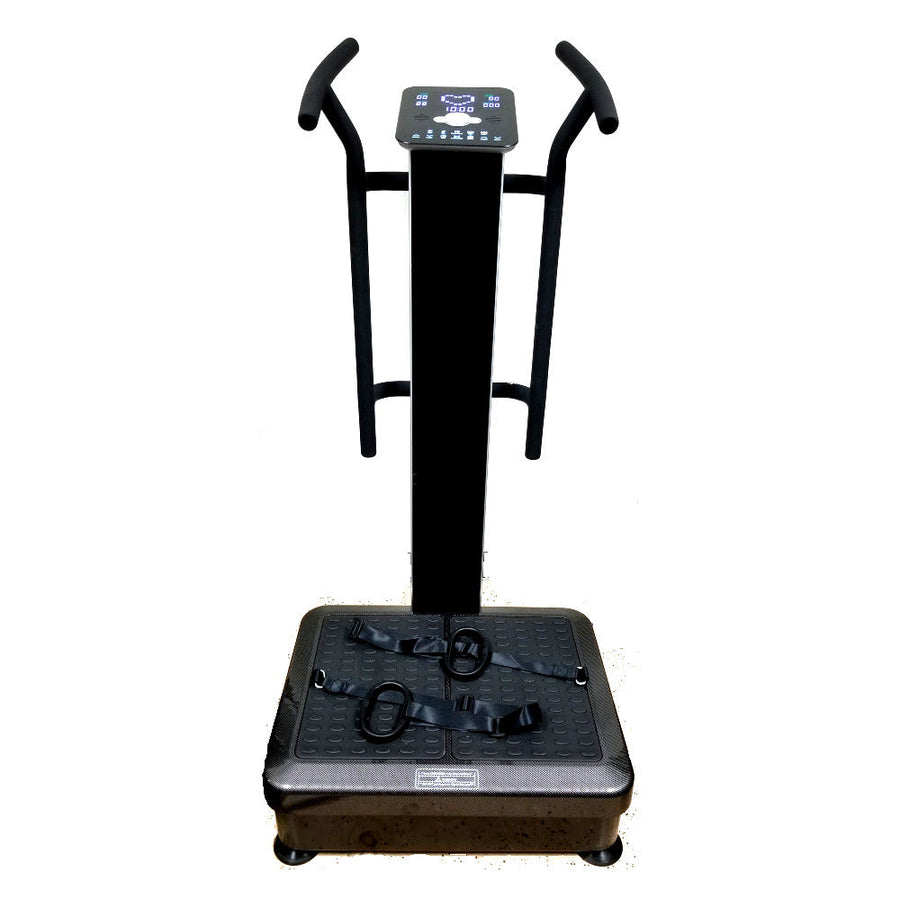
A lot of people add a blood circulation machine for whole body session to their week specifically because the rapid muscle contractions are tied to supporting circulation, particularly through the legs, where a lot of circulation complaints tend to start.
4. Prop Your Feet Up
Ten or fifteen minutes with your legs elevated above heart level helps blood return more easily from your lower legs — especially useful after a day spent mostly standing at work or sitting through back-to-back meetings.
5. Warm Foot Soaks or Foot Detox Sessions
Warm water naturally draws blood flow toward the feet, which is part of why foot soaks have been a go-to comfort habit for generations. Some people pair this with a foot detox machine session as part of a broader wind-down routine, treating it as much a ritual as anything else.
6. Ditch the Tight Shoes and Socks
Anything restrictive around the ankles can cut off circulation more than people realize, especially over a full day of wear. Comfortable, properly fitted footwear makes a bigger difference than it gets credit for, particularly for anyone on their feet most of the day.
7. Add Some Heat
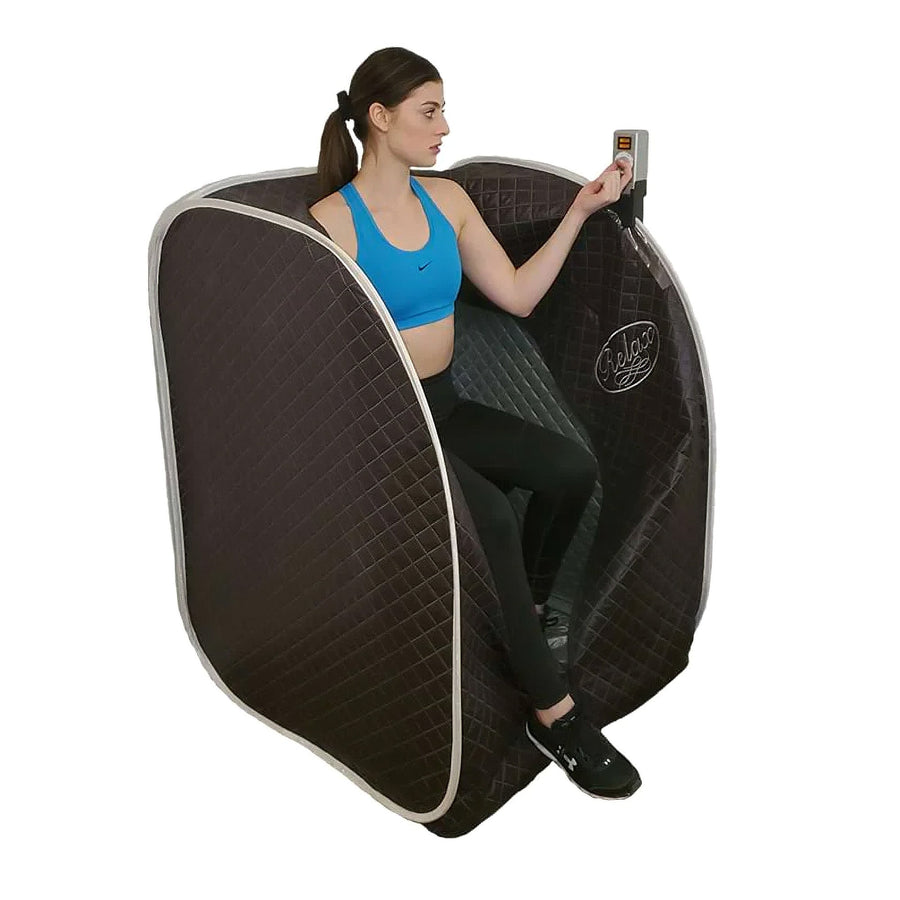
Warmth widens blood vessels, which supports flow throughout the body. Some people work heat therapy into their week with an infrared sauna portable setup, since it doesn't require carving out space the way a built-in unit would.
8. Stretch, Even Briefly
A few minutes a day, especially for legs and lower back, keeps blood vessels flexible and supports flow to muscles that spend most of their time locked in one position, whether that's sitting at a desk or standing behind a counter.
9. Watch the Crossed-Leg Habit
Sitting with legs crossed for long stretches can restrict blood flow behind the knees without you even noticing it's happening. Switching positions now and then, or setting a reminder to uncross, avoids the problem entirely.
10. Sleep Like It Matters, Because It Does
Circulation slows naturally during rest, which is normal. But consistently poor or inconsistent sleep can affect cardiovascular function over time in ways that go beyond just feeling tired. Regular, decent sleep supports the body's natural rhythm here more than people give it credit for.
If you're wondering how much rest your body actually needs after training, our piece on signs your body needs more recovery time covers where sauna sessions fit into that picture.
Conclusion
None of this requires overhauling your life or buying a dozen new products. Movement, water, warmth, rest — small, repeated habits tend to matter more than any single dramatic change ever will. Tools like vibration training or heat therapy can add to the effect for some people, but they work best layered onto habits you're already keeping up, not as a replacement for them. Consistency, more than intensity, is what actually moves the needle here over time.
FAQs
What is the easiest habit to improve circulation daily?
Moving regularly, even briefly, is probably the simplest and most effective habit, especially for anyone who sits for long stretches during the workday.
Can heat therapy help with circulation?
Warmth widens blood vessels, which is one reason heat therapy, sauna sessions included, is often used as part of circulation-focused routines.
Does whole body vibration training help circulation?
Many people use it for that reason, the rapid muscle contractions are associated with supporting circulation, particularly through the legs.
How does hydration affect blood circulation?
Dehydration thickens blood, making it harder to circulate efficiently throughout the body. Staying consistently hydrated keeps blood flow smoother all day.


